The Rider’s Essential Armor: Why Your Motorcycle Helmet Choice Matters in California
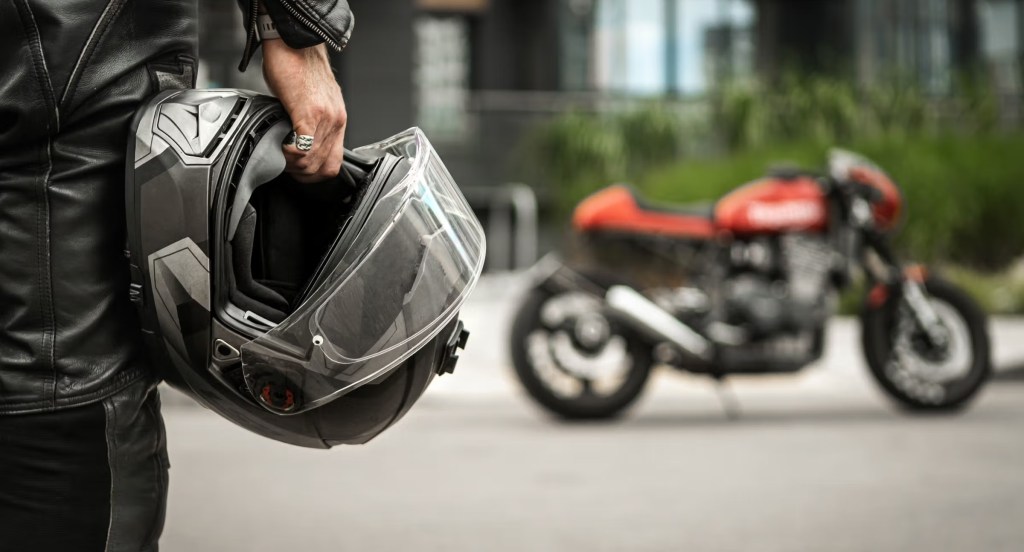
The allure of the open road, the wind in your face (or rather, flowing around your helmet!), and the unique connection between rider, machine, and environment – these are the joys of motorcycling in California. From scenic coastal rides to exhilarating mountain passes, the Golden State is a rider’s dream. However, with this freedom comes a responsibility, primarily to yourself and your safety. The single most critical piece of safety equipment you will ever own as a motorcyclist is your Motorcycle helmet. Choosing the right one isn’t just about complying with the law; it’s about protecting your life and well-being should you ever be involved in a motorcycle accident.
The Motorcycle Law Pro is are not just a legal professional but is also an active and avid motorcyclist. We understand the profound importance of proper gear, especially a high-quality, correctly-fitted Motorcycle helmet. This guide is designed to help California riders navigate the crucial decisions involved in selecting a helmet that offers maximum protection. We’ll explore types, certifications, fit, and proper use, because we believe an informed rider is a safer rider. And, while we hope you never need our services for a motorcycle accident claim, understanding how a proper helmet can impact your safety and potential legal case is vital.
California’s Helmet Law: More Than Just a Rule
In California, the law is clear: under Vehicle Code Section 27803, all motorcycle riders and their passengers are required to wear a safety helmet that meets U.S. Department of Transportation (DOT) standards. This isn’t an arbitrary rule; it’s a mandate grounded in overwhelming evidence that helmets save lives and reduce the severity of head injuries in a motorcycle accident.
Consider these sobering statistics:
- The National Highway Traffic Safety Administration (NHTSA) estimates that helmets are 37% effective in preventing fatal injuries to motorcycle riders and 41% effective for motorcycle passengers.
- NHTSA also reports that helmets are approximately 67% effective in preventing brain injuries.
Wearing a Motorcycle helmet significantly reduces your risk of suffering a catastrophic head injury. While no helmet can guarantee absolute protection in every conceivable motorcycle accident, choosing a quality, certified helmet dramatically improves your odds. Think of it as your first and best line of defense.
Decoding the Stickers: Understanding Motorcycle Helmet Certifications
When you pick up a Motorcycle helmet, you’ll likely see stickers indicating safety certifications. These aren’t just for show; they signify that the helmet has met specific safety standards. The two most common and important certifications for riders in California are DOT and SNELL.
DOT Certification: The Federal Standard
The U.S. Department of Transportation (DOT) sets minimum safety standards for motorcycle helmets sold in the United States. A DOT sticker (usually found on the back of the helmet) indicates that the manufacturer certifies the helmet meets Federal Motor Vehicle Safety Standard (FMVSS) 218. This standard addresses:
* **Impact Attenuation:** The helmet’s ability to absorb impact energy.
* **Penetration Resistance:** The helmet’s ability to resist penetration by a sharp object.
* **Retention System Strength:** The chin strap’s ability to keep the helmet on the head during an impact.
* **Peripheral Vision:** The helmet must allow a minimum field of vision.
It’s important to note that the DOT standard relies on manufacturer self-certification. While manufacturers face penalties for non-compliance, the testing isn’t typically done by an independent third party before the helmet hits the market. However, DOT compliance is the legal minimum in California, and you should never purchase a helmet without this certification.
SNELL Memorial Foundation: A Higher Standard of Safety
The SNELL Memorial Foundation is a non-profit organization that provides a more rigorous, independent helmet testing and certification program. SNELL standards (e.g., M2020D or M2020R) often exceed DOT requirements in several areas:
* **More Demanding Impact Tests:** SNELL tests helmets against a wider range of impact surfaces and at higher energy levels. They also test more areas of the helmet.
* **Stricter Chin Bar Testing:** For full-face helmets, SNELL conducts more rigorous tests on the chin bar’s integrity.
* **Stability Tests:** Ensuring the helmet remains stable on the head during an impact.
* **Independent Testing:** SNELL conducts its own testing in its labs and performs random sample testing of certified helmets from store shelves to ensure ongoing compliance.
While not legally required in California (as long as the helmet is DOT approved), many safety-conscious riders and a motorcycle attorney would strongly recommend opting for a SNELL-certified Motorcycle helmet if your budget allows. The additional testing and higher standards can provide an extra margin of safety in the event of a serious motorcycle accident.
ECE Certification: The European Standard
You might also encounter helmets with ECE R22.05 or the newer ECE R22.06 certification. This is the standard used in Europe and many other countries worldwide. It’s considered a very robust standard, comparable to SNELL in many respects, and involves independent batch testing. Some international helmet brands may carry both DOT and ECE certifications.
Choosing Your Shield: Types of Motorcycle Helmets
The “best” type of Motorcycle helmet depends on your riding style, comfort preferences, and the level of protection you prioritize. Here’s a breakdown of the common types:
Full-Face Helmets: The Gold Standard for Protection
Description: Covers the entire head, including the face and chin, with an integrated chin bar. A clear or tinted face shield protects the eyes and face.
Pros: Offers the highest level of protection, especially to the chin and face, which are common impact areas in a motorcycle accident. Provides better protection from weather, wind noise, and debris.
Cons: Can feel more enclosed for some riders, may be warmer in hot weather (though ventilation has improved significantly).
Best For: All types of riding, from daily commuting to track days and long-distance touring. This is the type most often recommended by safety experts and a knowledgeable motorcycle attorney focused on rider safety.
Modular (Flip-Up) Helmets: Versatility Meets Protection
Description: A hybrid design that looks like a full-face helmet but has a chin bar and visor that can pivot upwards, effectively turning it into an open-face helmet when stationary.
Pros: Offers the convenience of an open-face helmet for talking, drinking, or getting air when stopped, combined with full-face protection when the chin bar is down and locked.
Cons: Can be slightly heavier than traditional full-face helmets due to the hinge mechanism. Crucially, for maximum protection in a **motorcycle accident**, the chin bar *must* be down and locked while riding. Some modular helmets are dual-homologated (P/J certified), meaning they are certified for use with the chin bar up or down, but the primary protection is when closed.
Best For: Touring riders, commuters, and those who appreciate the versatility.
Open-Face (3/4) Helmets: Classic Style, Compromised Safety
Description: Covers the top, back, and sides of the head but leaves the face and chin exposed. Often paired with goggles or a snap-on visor.
Pros: Lighter feel, better airflow, wider field of peripheral vision, classic aesthetic.
Cons: Offers no protection to the face or chin, which account for a significant percentage of impacts in a motorcycle accident. Increased risk of severe facial injuries and debris hitting the face.
Best For: Low-speed cruising on scooters or vintage bikes, but riders must understand the significantly reduced protection.
Half Helmets (Shorty or “Brain Buckets”): Minimal Protection
Description: Covers only the top of the head, extending down to about the level of the eyebrows and ears.
Pros: Lightest weight, maximum airflow.
Cons: Provides the least amount of protection, leaving the face, jaw, and base of the skull exposed. The protective capabilities are minimal and primarily aimed at satisfying basic legal requirements rather than offering substantial safety in a real-world motorcycle accident. Many serious riders and safety advocates strongly advise against their use.
Best For: Frankly, not recommended for serious riding where safety is a priority.
Off-Road/Motocross and Dual-Sport Helmets
Off-Road/Motocross Helmets: Designed for dirt riding, these feature an elongated chin bar for better airflow during exertion, a large eye port for goggles, and a peak visor to block sun and roost.
Dual-Sport (ADV) Helmets: A hybrid that blends off-road features with on-road practicalities, often including a face shield that can be used with or without goggles, and an aerodynamic peak.
Considerations: While DOT approved, these are specialized. Ensure they are suitable for your type of street riding. The peak can catch wind at highway speeds if not designed well.
The Perfect Fit: Why Your Motorcycle Helmet’s Size is Non-Negotiable
Even the most expensive, highly-certified motorcycle helmet will fail to protect you adequately if it doesn’t fit correctly. A loose helmet can shift or even come off during a motorcycle accident, while a helmet that’s too tight will be uncomfortable and distracting.
Step 1: Measure Your Head
Use a soft tailor’s tape measure. Wrap it around the widest part of your head, typically about an inch above your eyebrows and around the fullest part at the back. Note the measurement in centimeters or inches and compare it to the manufacturer’s sizing chart for the specific helmet model you’re considering. Remember, sizing can vary between brands and even models within the same brand.
Step 2: The Try-On Test – Key Indicators of a Good Fit
Initial Feel: The helmet should feel snug all around your head without creating painful pressure points. If it slides on too easily, it’s likely too big.
Cheek Pads: The cheek pads should provide a firm, comfortable pressure on your cheeks. You should feel them slightly pushing your cheeks up.
Brow Fit: There shouldn’t be a large gap between your brow and the helmet’s interior lining. You shouldn’t be able to easily slip fingers between them.
Movement Check: Forward/Backward: Try to roll the helmet forward off your head by pushing up from the back. Then try to roll it backward by pulling down on the front. It should resist these movements significantly.
Movement Side-to-Side: With the chin strap secured, try to rotate the helmet side to side. Your skin should move with the helmet; the helmet shouldn’t slip easily across your skin.
The 15-30 Minute Rule: Wear the helmet in the store for at least 15-30 minutes. This will help reveal any pressure points or discomfort that might not be immediately apparent.
Using and Caring for Your Lifesaver: Motorcycle Helmet Best Practices
Always Secure the Chin Strap
This may seem obvious, but a motorcycle helmet is useless if it’s not properly fastened. Ensure the chin strap is snug enough that you can only fit one or two fingers between the strap and your chin. Learn to use the D-ring system correctly, or if you have a quick-release buckle, ensure it’s fully engaged.
When to Replace Your Motorcycle Helmet
After Any Impact: If your helmet sustains an impact in a motorcycle accident, even if it looks undamaged, its protective capabilities are compromised. The energy-absorbing foam liner crushes to protect your head and does not recover. Replace it immediately.
Every 3-5 Years: Even without an impact, helmet materials degrade over time due to exposure to UV rays, body oils, sweat, and general wear and tear. Most manufacturers recommend replacement every 3-5 years from the date of purchase, or 5-7 years from the date of manufacture (check the helmet’s label).
If Damaged or Worn: If the straps are frayed, the lining is deteriorating, or the shell is cracked, it’s time for a new one.
Cleaning and Storage
Keep your helmet clean inside and out. Many helmets have removable, washable liners. Clean the exterior with mild soap and water. Avoid harsh solvents. Store your helmet in a cool, dry place, away from direct sunlight and chemicals.
When the Unexpected Happens: How a Motorcycle Attorney Can Help
Choosing and wearing the right motorcycle helmet is your best defense against severe head injury. However, even the most diligent and well-equipped rider can be involved in a motorcycle accident due to another party’s negligence. If this happens, the fact that you were wearing a proper helmet can be a significant factor, but you’ll still need expert legal guidance.
This is where a specialized motorcycle attorney from Motorcycle Law Pro becomes your advocate. We understand the physics of motorcycle accidents and the specific challenges riders face. We can help:
- Investigate the Accident: Thoroughly examining the circumstances to determine fault, even if the other party tries to blame you.
- Demonstrate the Value of Your Helmet: Showing how your responsible helmet use mitigated even more severe injuries, which can be important in your claim.
- Combat Rider Bias: Insurance companies sometimes try to unfairly stereotype motorcyclists. We fight against this.
- Calculate Full Damages: Including medical expenses (current and future), lost wages, pain and suffering, and property damage.
- Negotiate with Insurance Companies: We are skilled negotiators who will fight for the maximum compensation you deserve.
- Litigate if Necessary: If a fair settlement cannot be reached, our experienced trial attorneys are prepared to take your case to court.
If you’ve been in a motorcycle accident, focusing on your recovery is paramount. Let the dedicated motorcycle attorney handle the legal complexities.
Ride Smart, Ride Protected: Your Helmet, Your Choice
Your motorcycle helmet is more than just gear; it’s a critical investment in your safety and your future. By understanding certifications, choosing the right type for your needs, ensuring a perfect fit, and using it correctly, you significantly enhance your protection on California’s roads.
At Motorcycle Law Pro, we champion rider safety. We hope this guide empowers you to make the best choice for your head protection. Ride responsibly, wear your gear, and enjoy the journey.
But if the worst occurs, and you find yourself the victim of a motorcycle accident, know that the Motorcycle Law Pro is here to support you.
Contact Motorcycle Law Pro today for a free, confidential consultation. Let us help you understand your rights and options.

 Motorcycle Law Pro
Leave a comment