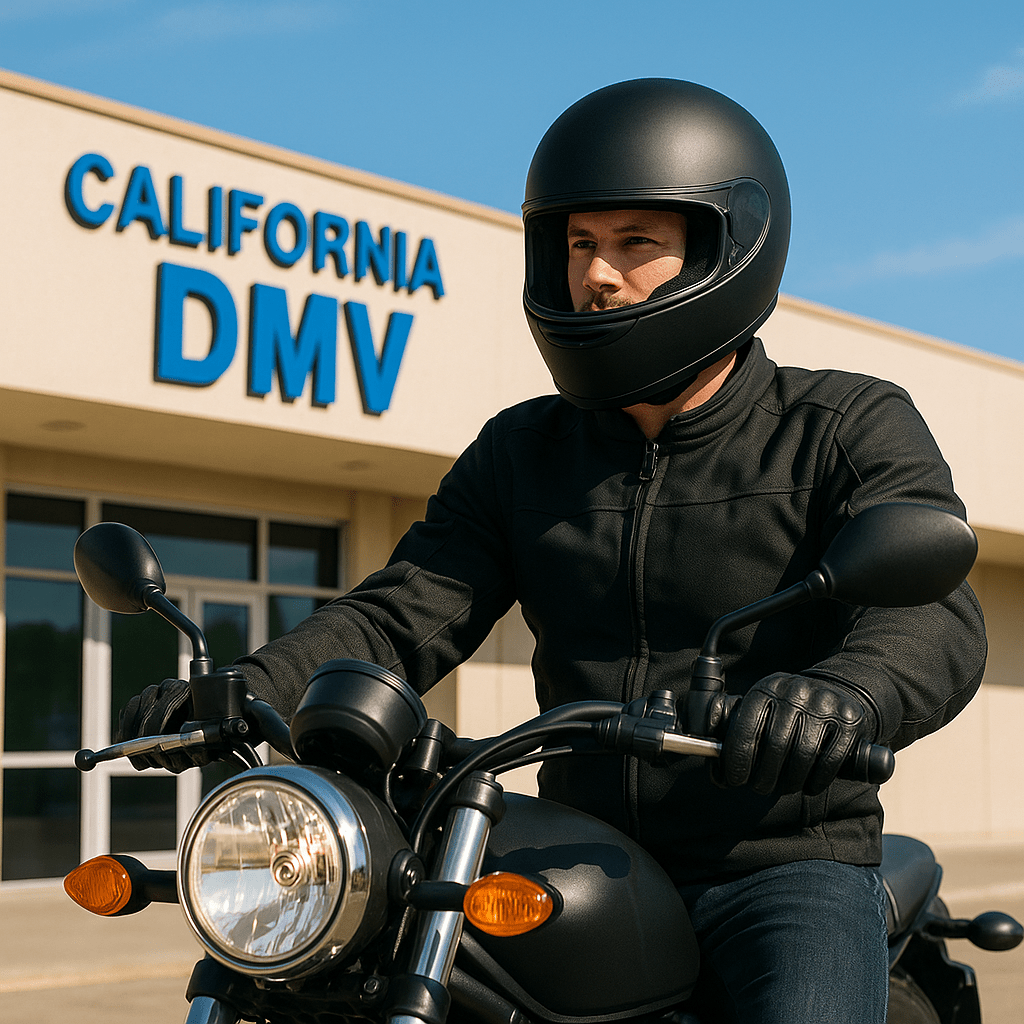
Learn how to obtain your motorcycle license in California, understand helmet laws, and get expert advice to avoid a motorcycle accident.
Riding a motorcycle in California offers freedom and exhilaration unmatched by other modes of transportation. However, ensuring you are properly licensed and informed about local laws is essential to avoid a motorcycle accident. At Motorcycle Law Pro, we understand the thrill of the ride—and the importance of riding safely. In this comprehensive guide, we’ll walk you through the steps to obtaining your motorcycle license in California, crucial factors to consider, and how to navigate state helmet laws to stay safe on the roads.
Step-by-Step Guide to Getting Your Motorcycle License in California
Securing your motorcycle license in California involves several straightforward steps, designed to ensure you’re ready for the unique challenges motorcyclists face.
Step 1: Understand the Types of Motorcycle Licenses
California issues two primary types of motorcycle licenses:
- M1 License: Allows you to operate any two-wheeled motorcycle or motorized scooter.
- M2 License: Permits you to ride motorized bicycles, mopeds, and motor scooters only.
Deciding on the appropriate license type is crucial, depending on the motorcycle or scooter you intend to ride.
Step 2: Obtain a Learner’s Permit
Before acquiring a full license, you’ll first need a motorcycle learner’s permit, which involves:
- Completing the DMV’s application form (DL 44).
- Passing a written knowledge test specific to motorcycles.
- Passing a vision exam.
The learner’s permit allows practice riding, but restricts riding during nighttime, carrying passengers, and freeway usage.
Step 3: Complete California’s Motorcycle Training Course
While optional for those over 21, the California Motorcyclist Safety Program (CMSP) training course is mandatory for individuals under 21. Successfully completing this course exempts you from the skills test at the DMV, streamlining your licensing process. These classes cover crucial riding techniques, safety strategies, and hazard avoidance skills, significantly reducing your risk of a motorcycle accident.
Step 4: Pass the DMV Skills Test
If you choose not to participate in a CMSP course or you’re over 21, you’ll need to demonstrate your riding skills directly at the DMV. The DMV’s motorcycle skills test assesses your ability to safely maneuver your motorcycle through a controlled course. Adequate preparation and practice are critical to success.
Key Considerations When Getting Your Motorcycle License
Obtaining your motorcycle license in California isn’t just about passing tests; it’s about adopting a safety-first mindset to minimize the likelihood of motorcycle accidents.
Motorcycle Selection and Safety Gear
Choosing the right motorcycle significantly impacts your riding safety. Beginners often benefit from motorcycles with lower engine capacities, such as 250cc or 300cc models, which are easier to handle. Equally important is investing in quality safety gear, including:
- A DOT-approved helmet.
- Motorcycle-specific jackets with armor.
- Durable gloves and boots.
- Protective pants or reinforced jeans.
Understand California Helmet Laws
California’s helmet laws require every motorcyclist and passenger to wear a Department of Transportation (DOT) compliant helmet. Failure to comply not only leads to hefty fines but significantly increases your risk of severe injury or death in a motorcycle accident. Wearing a helmet can drastically reduce fatalities and injuries—statistics show helmets are approximately 37% effective in preventing motorcycle accident fatalities.
Frequently Asked Questions About Motorcycle Licensing in California
What documents do I need to obtain a motorcycle permit?
You will need to provide identification proving residency, fill out the DL 44 application, and pass both a written motorcycle knowledge test and vision exam.
How much does it cost to get a motorcycle license in California?
Typically, the costs include:
- Application fee: approximately $41
- Motorcycle safety course: varies by provider ($250-$350)
- Permit fee included in application cost
Can I ride a motorcycle with just a driver’s license?
No, you cannot legally ride a motorcycle with a standard driver’s license alone. You must obtain a separate motorcycle license or endorsement.
The Importance of Hiring a Motorcycle Attorney After an Accident
Even the most cautious motorcyclists can find themselves involved in accidents caused by the negligence of others. Understanding your rights and responsibilities after a motorcycle accident is crucial. If you’ve been injured, hiring an experienced motorcycle attorney like the Motorcycle Law Pro can significantly impact your case outcome. We understand the complexities of motorcycle accident cases, including dealing with insurance companies and proving fault to secure maximum compensation.
Contact Motorcycle Law Pro for Your Free Consultation
Obtaining your motorcycle license in California is a vital step toward safe riding. But if you find yourself in the unfortunate circumstance of being involved in a motorcycle accident, the Motorcycle Law Pro is ready to help. Our specialized motorcycle attorney is a rider and is deeply committed to protecting your rights and helping you secure the compensation you deserve.
Contact Motorcycle Law Pro today for a consultation. Ride safe, stay informed, and let our experts advocate for you.

 Motorcycle Law Pro
Leave a comment